

Hi there,
I study viral LinkedIn content, so your posts stand out.
In this issue, you’ll find:
The “Cringe” Paradox: Why the Posts You’re Afraid to Write Are the Ones That Work
TOGETHER WITH POSTHERO
Grow your audience faster on LinkedIn. With an AI-powered tool that helps you create content and grow on LinkedIn.
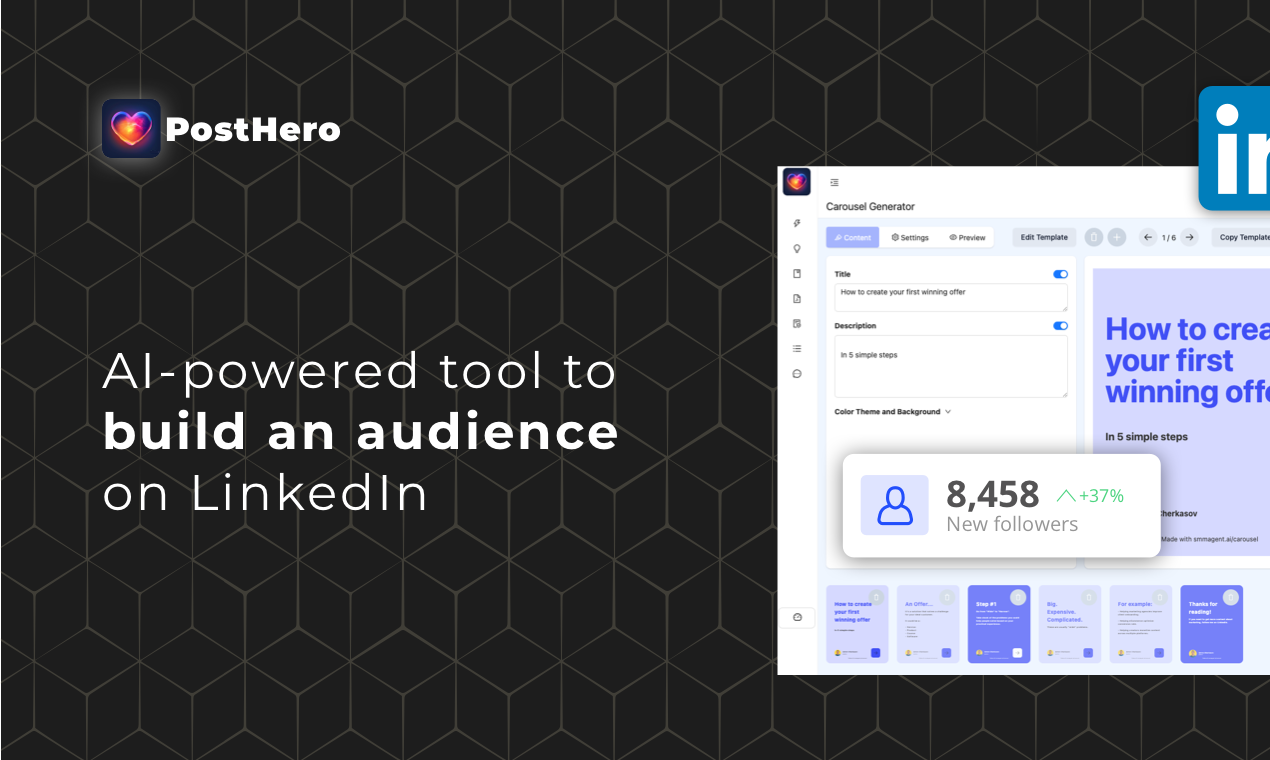
Create high-converting content that helps you grow on LinkedIn
Create a weekly content in 76 seconds
AI Voice assistant for creating content in seconds
The “Cringe” Paradox: Why the Posts You’re Afraid to Write Are the Ones That Work
You wrote a post.
It’s good. Maybe even great.
Your finger hovers over the publish button.
And then the voice kicks in:
“What will people think?”
“This feels like too much.”
“Isn’t this kind of cringe?”
So you don’t post it. You close the app. You tell yourself you’ll post something safer tomorrow.
I’ve been there. Everyone has.
But here’s what I’ve learned after years of watching what works on LinkedIn:
The posts you’re afraid to write are usually the ones that work best.
Let me explain this paradox.
What “Cringe” Actually Means
Let’s define it first.
When people say a post is “cringe,” they usually mean it’s:
Too earnest
Too personal
Too bold
Too enthusiastic
Too vulnerable
Too different from what everyone else posts
Notice something?
These aren’t actually bad things.
“Cringe” is just the feeling you get when you stop hiding behind safe, professional, forgettable content.
It’s the discomfort of being seen.
And that discomfort is exactly where the magic happens.
The Cringe Paradox
Here’s the paradox:
The content that feels cringe to YOU is often the content that connects most with OTHERS.
Why?
Because safe content is invisible. It blends in. Nobody remembers the 500th “5 tips for productivity” post.
But the post where you shared something real? Something bold? Something that made you nervous?
That’s the one people remember. That’s the one they engage with. That’s the one that builds your brand.
Jasmin Alic put it perfectly. He said being “cringe” brought him:
International awards and recognition
Deals and revenue he never dreamed of
A community spanning 80 countries
100,000+ students
The ability to retire his parents
All from posting stuff that felt cringe.
He still feels cringe posting certain things. But he does it anyway. Because it works.
Why We Fear Cringe
The fear of being cringe is really the fear of judgment.
We imagine people reading our post and rolling their eyes. Thinking we’re trying too hard. Judging us.
But here’s the reality:
Most people aren’t judging you. They’re too busy worrying about their own posts.
And the few who do judge? They were never going to be your clients anyway.
The people who matter - your ideal audience - don’t see cringe. They see authenticity. They see courage. They see someone willing to put themselves out there.
That’s attractive. That builds connection.
The Safe Content Trap
Here’s what happens when you only post “safe” content:
You blend in. You sound like everyone else. You’re forgettable.
Safe content gets safe results. Which is to say, no results.
Think about the posts that actually made you follow someone. Made you remember them. Made you want to work with them.
I bet they weren’t safe.
They were bold. Personal. A little uncomfortable. Maybe even cringe.
That’s what cuts through the noise.
When everyone is being safe and professional, the person willing to be real stands out.
Real Examples of “Cringe” That Works
Let me give you some examples of posts that feel cringe but perform well:
The enthusiastic post.
“I’m SO excited about this. Genuinely couldn’t sleep last night.”
Feels cringe. Too much enthusiasm. But it’s human. It’s contagious. People connect with genuine excitement.
The bold opinion post.
“Most of the advice in my industry is wrong. Here’s what I believe instead.”
Feels cringe. Who are you to challenge the norm? But bold opinions get attention and respect.
The vulnerable post.
“I failed. Publicly. Here’s what happened and what I learned.”
Feels cringe. Why would you admit failure? But vulnerability builds trust faster than any highlight reel.
The celebration post.
“I hit a huge milestone today and I’m proud of myself.”
Feels cringe. Isn’t this bragging? But celebrating your wins gives others permission to root for you.
The personal story post.
“This happened to me and it changed how I see everything.”
Feels cringe. Too personal for LinkedIn? But personal stories are the most memorable content you can create.
Every one of these feels uncomfortable to post. Every one of these works.
The Filter That Actually Matters
Now, I’m not saying post everything.
There’s a difference between “cringe that works” and “cringe that hurts you.”
Here’s the filter:
Good cringe: Feels uncomfortable because it’s bold, personal, or earnest. Serves your audience. Aligns with your brand.
Bad cringe: Feels uncomfortable because it’s actually off-brand, mean-spirited, oversharing, or purely attention-seeking.
The question isn’t “Does this feel cringe?”
The question is “Does this feel cringe because it’s real, or because it’s wrong?”
If it’s real - post it.
If it’s wrong - skip it.
Know Your Limits
One more thing.
Being willing to post cringe doesn’t mean sharing everything.
Some things are too personal. Some wounds are too fresh. Some parts of your life should stay yours.
One creator shared deeply personal posts about being a solo dad. They went viral. But he realized he never wanted to use that part of his life for content again.
That’s a healthy boundary.
You can be bold and vulnerable while still protecting what matters most to you.
Push your comfort zone. But know where your real limits are.
How to Post Through the Fear
So how do you actually do it?
Here’s what helps:
1. Notice the feeling, then post anyway.
When you feel that “this is cringe” hesitation, recognize it as a signal. Often it means you’re onto something good.
Feel the fear. Post anyway.
2. Remember nobody’s watching as closely as you think.
You’re the main character in your story. You’re a side character in everyone else’s.
People will read your post, react for a second, and move on with their day. The judgment you imagine is mostly in your head.
3. Focus on the people you’ll help.
For every person who thinks your post is cringe, there’s someone who needed to read it.
Post for them. Not for the critics.
4. Start small.
You don’t have to post your most vulnerable story tomorrow.
Start with slightly bolder content than usual. Build the muscle. Get comfortable with discomfort.
5. Look at the results.
After you post something that felt cringe, check the engagement.
You’ll often be surprised. The post you almost didn’t share becomes your best performer.
Let the results retrain your brain.
The Bottom Line
Cringe is just the feeling of being authentic in a world of safe, boring content.
The discomfort you feel before posting something bold? That’s not a warning sign. It’s often a green light.
Safe content blends in. Bold content stands out.
The creators who win are the ones willing to feel cringe and post anyway.
We all want to build a life and business we love. And being a little cringe is just part of that.
Don’t erase it. Embrace it.
Your Homework
This week, do this:
Think of a post you’ve been afraid to write. The one that feels too bold, too personal, too much.
Write it. Don’t edit out the parts that make you nervous.
Before you talk yourself out of it, hit publish.
Check the engagement after 24 hours. Notice how it did.
Repeat. Build the muscle of posting through the fear.
The post you’re scared to write might be the one that changes everything.
Stop hiding. Start posting.
That’s it for this week.
If you publish something that scares you this week, reply and tell me how it went. I’d love to hear.
See you next time.
That’s a wrap for today.
See you next week! If you want more LinkedIn tips, be sure to follow me on LinkedIn (link).
If you love this episode and want to support us, spread the word about us by sharing The LinkedIn Secrets with colleagues. I really appreciate it!
Thank you for reading!
What’d you think of today’s edition?
Help me to understand what you think about this episode. Just reply with a number (1, 2, or 3) to this email.
1 - Damn good
2 - Meh, do better
3 - You didn’t cook it
Your compadre,
Anton “LinkedIn growth strategies” Cherkasov